
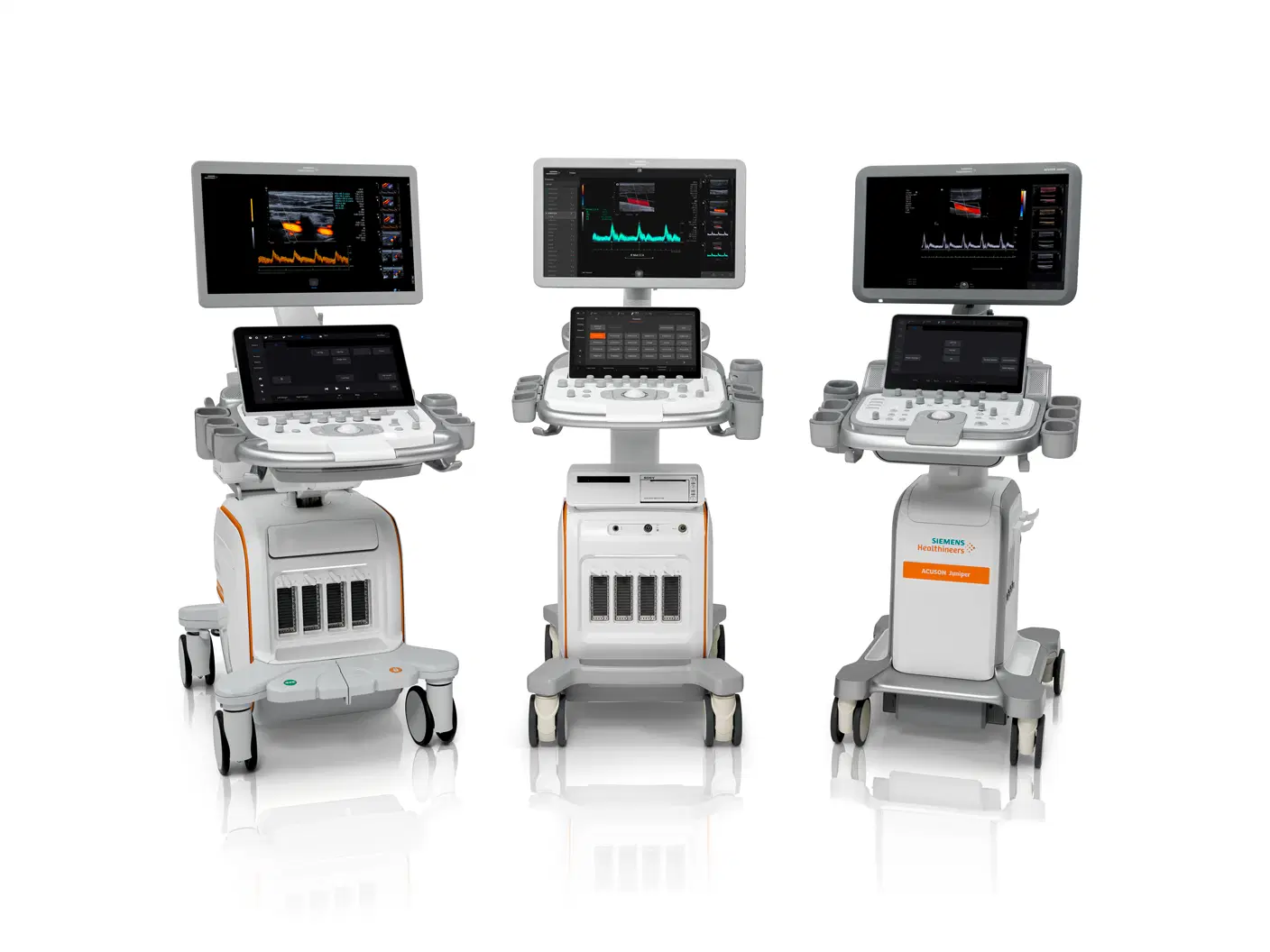
Overview of Sonography Whole Abdomen
Sonography of the whole abdomen, commonly known as an abdominal ultrasound, is a non-invasive medical imaging technique that uses high-frequency sound waves to create real-time images of organs and structures within the abdominal cavity. Unlike X-rays or CT scans, ultrasound does not use ionizing radiation, making it a safe option for repeated examinations, including during pregnancy. The procedure involves a transducer (a small, handheld device) that emits sound waves, which then bounce off internal organs and return to the transducer. These echoes are converted into detailed images displayed on a monitor. This allows healthcare providers to visualize the size, shape, and structure of organs such as the liver, gallbladder, pancreas, spleen, kidneys, and bladder, as well as major blood vessels. It is a versatile and widely used diagnostic tool for evaluating various abdominal conditions and is often a first-line imaging modality due to its safety, availability, and cost-effectiveness.
Why Sonography Whole Abdomen is Done
A sonography of the whole abdomen is performed for a wide range of diagnostic purposes to investigate symptoms or conditions affecting the abdominal organs. It is frequently ordered to diagnose the cause of abdominal pain, nausea, vomiting, abnormal liver function tests, or unexplained weight loss. Specific conditions it helps evaluate include gallstones, kidney stones, liver cysts, tumors, fatty liver disease, appendicitis, and pancreatic inflammation. It can detect fluid collections (ascites) in the abdomen, assess the size and structure of the spleen, and examine the major blood vessels for aneurysms or blockages. For kidney assessment, it can identify hydronephrosis (swelling due to urine backup) or kidney masses. In women, it can visualize the uterus and ovaries, and in men, the prostate, although dedicated pelvic ultrasounds often provide more detail for these specific organs. Its non-invasive nature also makes it ideal for monitoring the progression of known conditions or the effectiveness of treatments.
Risks
Sonography of the whole abdomen is considered a very safe diagnostic procedure with virtually no known risks. Unlike imaging techniques that use radiation, ultrasound technology relies on sound waves, which are harmless to the body. There is no exposure to ionizing radiation, making it a preferred method for imaging sensitive populations, such as pregnant women and children. The procedure is non-invasive, meaning there is no needle insertion, incisions, or contrast dyes used, thus eliminating associated risks like infection, bleeding, or allergic reactions. Patients may feel slight pressure from the transducer on their skin or the gel applied, but this is generally well-tolerated and not painful. As a result, abdominal ultrasound carries no significant risks to the patient and is a widely accepted and safe diagnostic tool.
How You Prepare
Proper preparation for a sonography of the whole abdomen is crucial to ensure clear images and accurate diagnosis, as food and gas can obstruct the view of organs. You will typically be instructed to fast for 6 to 8 hours before the examination. This means no food or drinks, including chewing gum or candy. Fasting is essential because food in the stomach and small bowel can create gas and interfere with sound wave transmission, while eating stimulates the gallbladder to contract, potentially obscuring gallstones. For better visualization of the bladder and pelvic organs (if included in the scan), you may be asked to drink several glasses of water about an hour before the test and not urinate. This ensures your bladder is full, which acts as an acoustic window. You should also inform your doctor about any medications you are taking. Following these instructions will optimize image quality and help the sonographer obtain all necessary views for a comprehensive assessment.
What You Can Expect
Before the Test
Before your whole abdomen sonography, you will receive specific preparation instructions from your healthcare provider or the imaging center. The most important directive is typically to fast for 6 to 8 hours prior to your appointment. This means you should not eat or drink anything, including water (unless specified for bladder filling), chewing gum, or candy. The purpose of fasting is to ensure your stomach and intestines are empty, reducing gas that can obscure organ views, and to keep your gallbladder distended for better visualization of stones or abnormalities. You may also be instructed to drink several glasses of water approximately one hour before the scan and to hold your urine until after the test if your bladder or pelvic organs need to be examined. Dress in comfortable, loose-fitting clothing. You should inform the staff of any allergies or medical conditions you have.
During the Test
During your sonography of the whole abdomen, you will typically lie on your back on an examination table. The sonographer will apply a warm, water-based gel to your abdomen. This gel helps the transducer make good contact with your skin and allows the sound waves to transmit effectively. The sonographer will then press the small, handheld transducer firmly against your skin and move it across different areas of your abdomen. You might feel slight pressure or movement, but generally, the procedure is painless. You may be asked to hold your breath for short periods, change positions, or roll onto your side to allow for better visualization of certain organs. The images will appear on a monitor, which the sonographer observes. The entire scan usually takes between 20 to 45 minutes, depending on the complexity of the examination and the organs being assessed.
Results
After your sonography of the whole abdomen is completed, the gel will be wiped off your skin. The images captured during the examination will then be reviewed and interpreted by a radiologist, a doctor specializing in medical imaging. The radiologist will analyze the size, shape, and structure of your abdominal organs, looking for any abnormalities such as stones, cysts, tumors, fluid collections, inflammation, or signs of organ damage. A detailed report of the findings will then be prepared and sent to your referring healthcare provider, usually within a few days. Your doctor will then discuss the results with you, explain what they mean for your health, and recommend any necessary further tests, treatments, or management plans based on the findings of the ultrasound. In some cases, immediate preliminary findings might be communicated to your doctor for urgent action.